

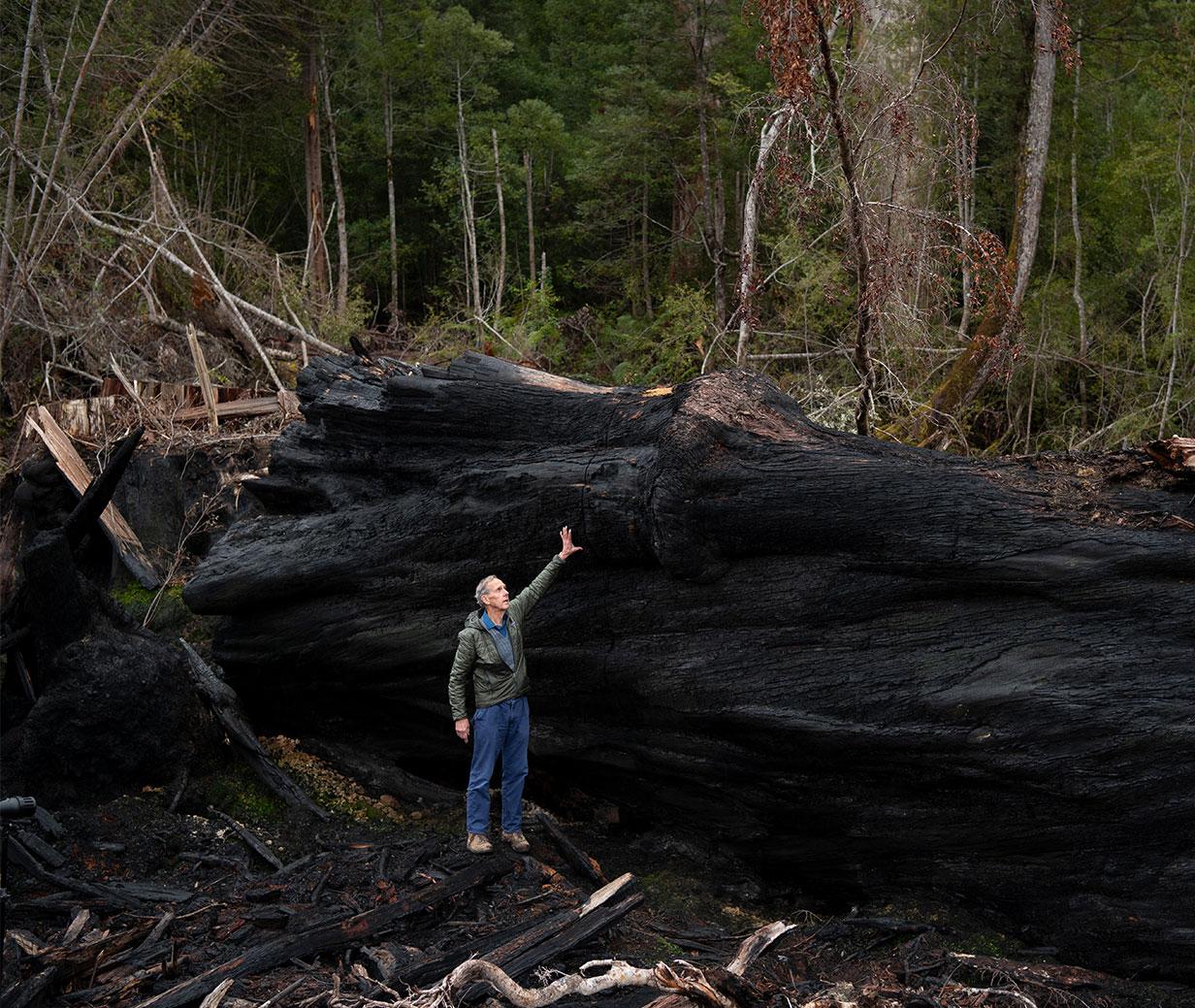
Australia has some of the oldest old growth forests on Earth. Mountain ash in Victoria, swamp gums in Tasmania, the Daintree's rainforest canopies, the karri stands of Western Australia. Trees that were already old when Captain Cook arrived. Carbon sinks that hold a substantial share of stored Australian forest carbon.
We log them. Still. To make woodchips for paper pulp, mostly.
This isn't a Christmas post in the traditional sense. It's a Christmas post in the sense that one of the most meaningful things Australians could ask for is the protection of forests that took thousands of years to grow and could be gone in another generation.
What Old Growth Forest Actually Is
Old growth forest, in the Australian definition, is forest substantially undisturbed by humans, with complex multi-aged tree structure and standing dead trees, hollow-bearing trees and continuous canopy. Most importantly: it cannot be replicated. Replanted forest is not old growth. Regrowth forest is not old growth. The structure of old growth takes hundreds to thousands of years to develop, and is destroyed in a single logging operation.
What's left in Australia represents a small fraction of the pre-European old growth extent, distributed across Tasmania, Victoria, NSW, WA and the QLD Wet Tropics. These are small numbers in a large continent. They represent the ancient core of Australian biodiversity.
Why It's Still Being Logged
The short answer: industrial pulp logging, with woodchips as the primary product. Most old growth that's currently being logged in Australia is converted to woodchips, which are exported for paper production.
This is the part most people don't know: the old growth isn't being logged for furniture or construction timber. It's being logged for paper pulp. The most ecologically valuable forest in Australia is being converted into one of the most disposable products in the global economy.
Old growth logging continues primarily because of political momentum and regional employment commitments. The arguments are political, not economic or environmental.
What Protection Has Worked
Some old growth has been saved. The Daintree rainforest was protected from logging through sustained campaigning. The Tarkine in Tasmania has had multiple protection periods. Victoria's Mountain Ash forests gained additional protection following sustained advocacy from organizations including the Wilderness Society and the Victorian National Parks Association.
The pattern: where sustained public pressure has been applied to state and federal governments, protection has eventually come. The forests that remain are the ones people fought for.
What's Currently at Risk
The most-at-risk old growth in Australia includes Tasmania's takayna/Tarkine (ongoing logging in some coupes), South-East NSW state forests (continued native forest logging despite koala habitat concerns), WA jarrah forests (partial protection but ongoing operations in old growth coupes), and Wet Tropics buffer zones (the World Heritage core is safe; the buffers are not).
Why This Connects to Christmas
This connects to Christmas because Christmas is when Australians buy a lot of disposable paper products. Wrapping paper, cards, packaging, advertizing. Most of which goes to landfill within weeks of being used. Some of which is made, in part, from woodchips sourced from Australian forests.
The connection is direct. Slowing demand for disposable paper slows the economic case for logging old growth. It's not a complete solution, paper pulp comes from many sources, but it's the household-level lever most Australians have.
What to Ask for This Christmas Instead
Five things that protect old growth forest more than they cost:
- Donate to forest conservation organizations. Bob Brown Foundation. Wilderness Society. Australian Conservation Foundation. Victorian National Parks Association. Direct giving funds the campaigns that have historically secured protections.
- Reduce disposable paper at Christmas. Reusable cloth gift wrap. Skip cards or send digital. Reuse packaging. Saves money, reduces landfill, reduces pulp demand at the margin.
- Buy products from B Corp or FSC-certified sources. Including KeepCup packaging, FSC certified, recycled content.
- Write to your federal and state members. Forest policy is decided by state governments mostly. The MPs you elect choose whether old growth gets protected or logged.
- Visit one. The forests that get protected are the ones people connect to. Daintree, Tarkine, Cape Howe, Otway Ranges, Walpole-Nornalup. Take the kids.
What KeepCup Does
KeepCup donates a portion of revenue to TreeProject and other reforestation and forest protection partners. Our packaging is FSC certified, with recycled content. We use no virgin pulp in any product or packaging element. The cup in your hand isn't directly an old growth question, but the supply chain culture of Australian manufacturing is, and we're part of demonstrating that businesses can operate without contributing to native forest logging.
Our products are tested to 1,000 uses, the cup that lasts is the cup that doesn't drive ongoing material demand at any point in the supply chain.
The Wider Argument
Old growth forest is the slowest-grown, hardest-to-replace, highest-carbon-density biological asset Australia has. The case for protecting all remaining old growth, federally, on climate grounds alone is overwhelming, setting aside the biodiversity, water catchment, cultural and recreational arguments.
That this protection still hasn't happened is a political failure, not an economic or environmental one. The arguments have been made and won. The politics is the lag.
FAQs
Is old growth forest still being logged in Australia?
Yes. Old growth logging continues in parts of Tasmania, NSW state forests, and some WA jarrah coupes. Primarily for woodchip export to paper pulp markets.
How much old growth forest is left in Australia?
A small fraction of the pre-European extent. Most of what remains is concentrated in Tasmania, Victoria, NSW, WA and QLD.
What can I do to protect old growth forest in Australia?
Donate to conservation organizations (Bob Brown Foundation, Wilderness Society), reduce disposable paper consumption, buy FSC-certified products, write to state and federal MPs, and visit protected forests to build the constituency for further protection.
Does KeepCup use any old growth or virgin pulp?
No. KeepCup packaging is FSC certified and uses post-consumer recycled content. No virgin pulp is used in any product or packaging element.
Life cycle analysis - greenwash or deep green?
B Corps and the wave of change