

In March 2020, as COVID-19 spread across the globe, the plastics industry made its move.
The Plastics Industry Association wrote to the US Department of Health and Human Servicescalling for a public endorsement of single-use plastics and the repeal of single-use bag bans, using public fear and uncertainty to push a commercial agenda dressed up as a health one.
What They Argued
The case was straightforward: reusables are a transmission risk. Single-use is safer. Repeal the bans.
Ed Potosnak, Executive Director of the New Jersey League of Conservation Volunteers, called it at the time: "It is unconscionable that profit-driven, single-use plastic bag proponents are spreading false information while people are vulnerable and seeking good advice."
The science didn't support the claim. The World Health Organization was clear, washing with soap and water kills the virus. Vineet Menachery, Assistant Professor of Microbiology at the University of Texas Medical Branch, put it simply: "If you're regularly cleaning stuff, you should be fine. I wouldn't expect any virus to survive a dishwasher."
And as TerraCycle founder Tom Szaky noted: single-use items are not sterile. A disposable cup moves through a production facility, sits on a pallet, collects dust. The material is not the variable, contact and cleaning are. Pathogens don't distinguish between reusable and single-use when attaching to surfaces.
There was no evidence that reusable packaging spread COVID-19. There still isn't.
What's Changed Since 2020
Quite a lot, and not all of it in the right direction.
The legislative momentum that the plastics industry tried to reverse in 2020 has largely continued. The EU Single-Use Plastics Directive is in force. The UK latte levy is established. Australia has progressed state-by-state single-use plastic bans. The direction of travel is clear.The US federal legislation that should have changed the context never passed. Six years of introduction, reintroduction, and committee, no federal law. While the EU's Single-Use Plastics Directive has been in force since 2021 and Australia has moved state by state, the world's largest single-use plastic producer still has no federal framework. The plastics industry didn't need to win the argument. They just needed to slow it down.
But the lobbying hasn't stopped. The arguments have shifted from health to economics, single-use is cheaper, infrastructure isn't ready, the transition will hurt business. The crisis has changed. The tactic of using it to stall reuse legislation hasn't.
What Hasn't Changed
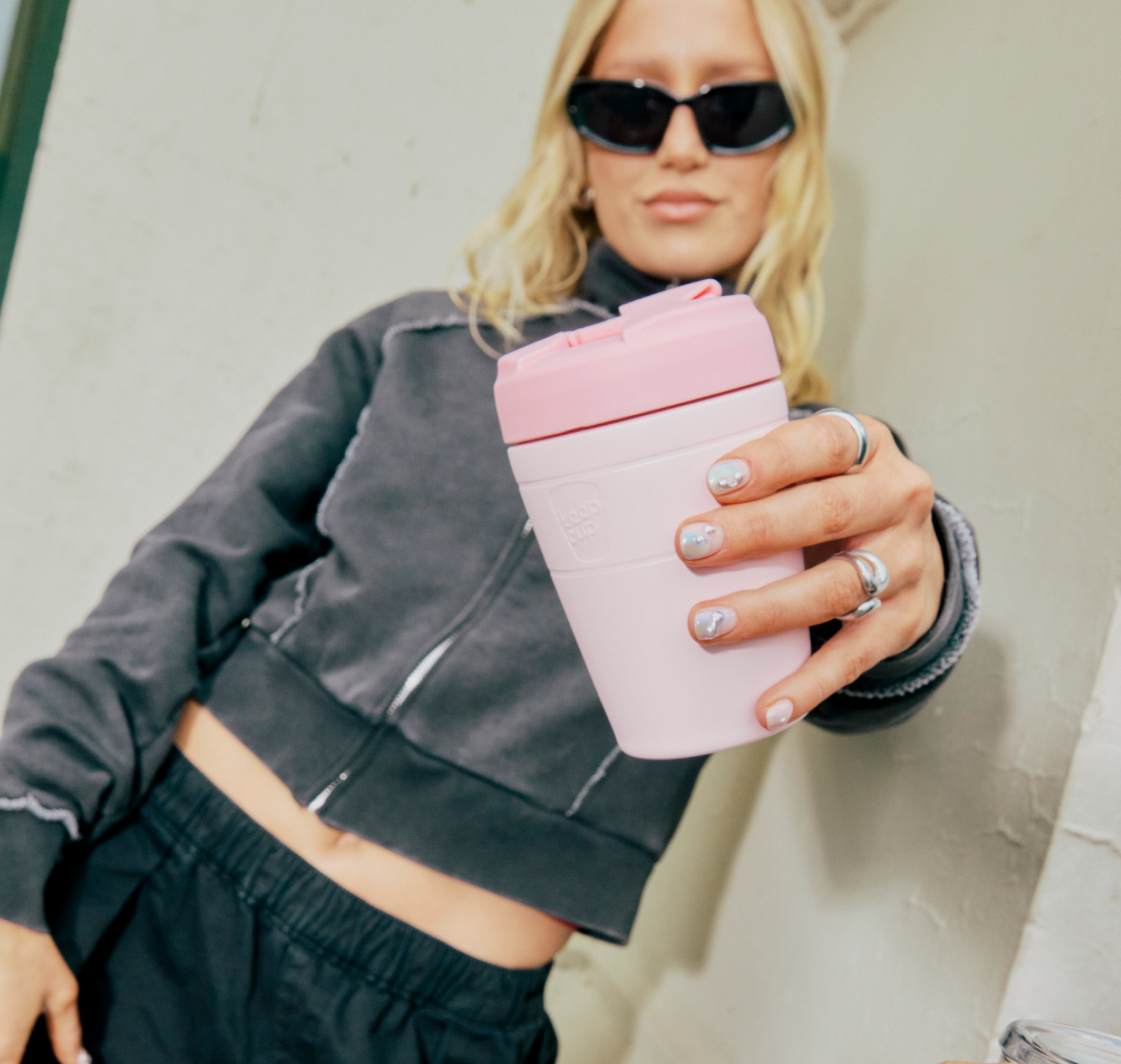
The underlying truth of the reuse case is the same in 2026 as it was in 2020: behavior change happens through design, not instruction. People reach for reusables when they work as well as, or better than, the disposable alternative. That's the brief KeepCup has been working to since 2009.
A cup that fits the machine. A lid that opens one-handed. Materials that don't compromise the taste of the drink. The reuse habit forms when the object earns it, not when someone is told they should.
Single-use plastic legislation makes the reusable the easier choice by changing the context. Good product design makes it the preferred choice by being genuinely better. Both matter. Neither is sufficient without the other.
What Comes Next
The plastics industry will continue to look for the next crisis to use as leverage. Economic instability. Supply chain disruption. Whatever the moment provides.
The answer is the same as it was in 2020: follow the science, support the legislation, and keep making products good enough that reuse becomes the default, not the exception.
The climate and plastic pollution crizes will still be here regardless. The question is whether the design and legislation infrastructure is in place to meet them.
KeepCup's position hasn't changed. Let's not trade one crisis for another.
Further reading:
EU Single-Use Plastics Directive >
UK latte levy guidance >
Australia single-use plastics ban updates >
What does it mean to be a B Corp?
On breaking free from single-use plastic