

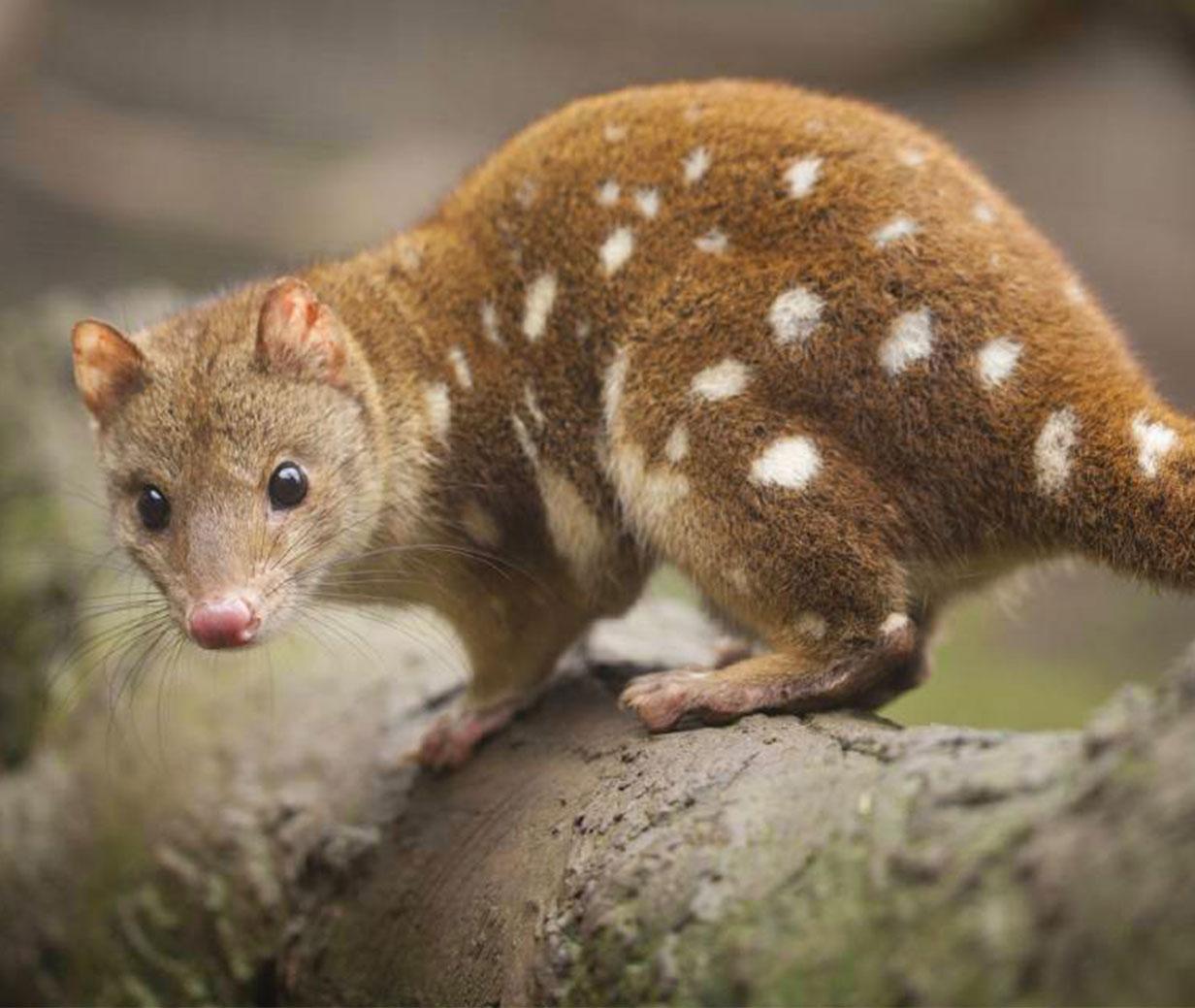
Extinction is the one ecological loss that cannot be undone. A species that disappears doesn't come back. The forest that gets clearfelled can grow back over centuries. The reef that bleaches can recover under the right conditions. The fishery that gets depleted can recover with closure. The species that goes extinct is gone, permanently, irreversibly.
This is the case for treating extinction prevention as a distinct category of environmental commitment, separate from emissions reduction, separate from pollution control, separate from waste reduction. Connected to all of them, but not substitutable.
What Australia Is Losing
Australia has one of the highest rates of species extinction in the world. The losses are concentrated in mammals, frogs and freshwater fish, but extend across most taxonomic groups. Key drivers in the Australian context:
- Habitat loss and fragmentation. Land clearing for agriculture, urban development and infrastructure.
- Invasive species. Feral cats, foxes, rabbits, cane toads, weeds. Australia's geographic isolation produced uniquely vulnerable ecosystems.
- Climate change. Marine heatwaves, bushfire intensification, drought stress on freshwater systems.
- Direct exploitation. Overfishing, illegal wildlife trade.
- Pollution. Plastic, agricultural runoff, mining waste.
Each of these is a driver Australian policy has addressed inconsistently. The fragmented response has been the central failure.
Why Recovery Is Harder Than Prevention
Once a species reaches critically low population, recovery requires sustained intervention over decades. Captive breeding programs, predator-free sanctuaries, habitat restoration, ongoing monitoring, the cost per saved species is substantial and the success rate is uneven.
Prevention is dramatically cheaper. Maintaining habitat, controlling invasive species, restricting harmful practices, these are policy interventions that protect dozens or hundreds of species at once, before any individual species reaches the brink.
The pattern of Australian biodiversity policy has been the opposite: underinvestment in prevention, expensive recovery efforts for species already in crisis, and continued land use decisions that accelerate the underlying drivers.
What's Worked
Some recovery efforts have succeeded. Predator-free island sanctuaries have stabilized mammal populations that were heading toward extinction on the mainland. Long-running captive breeding has brought several species back from near-zero. Protected areas have preserved habitat that would otherwise have been cleared.
The pattern: where sustained funding and political commitment have aligned with scientific advice, results have followed. Where they haven't, declines have continued.
What Climate Change Adds
Climate change is now an extinction multiplier across most Australian ecosystems. Marine heatwaves on the Great Barrier Reef. Bushfire intensification in southeast forests. Drought in inland river systems. Each of these climate-driven stressors compounds with habitat loss and invasive species to accelerate biodiversity decline.
The implication is that climate policy and biodiversity policy can no longer be separated. Without climate action, biodiversity protection becomes increasingly futile. Without biodiversity protection, the ecosystems that buffer climate impacts deteriorate.
What Households Can Do
Five household-level actions worth doing:
- Donate to conservation organizations. Bush Heritage Australia, Wildlife Conservancy of Australia, WWF Australia, Birdlife Australia. Direct giving funds the work governments under-fund.
- Reduce consumption. Especially of products linked to habitat destruction, palm oil, soy in animal feed, illegal timber.
- Support good land management. Buy from producers using regenerative agriculture, certified sustainable forestry, native habitat protection.
- Vote and advocate. Federal and state biodiversity policy is decided politically. Sustained pressure shifts the political calculation.
- Plant for biodiversity. Native gardens. Predator-free yard design. Small-scale habitat restoration adds up across millions of properties.
What KeepCup Does
KeepCup donates a portion of revenue to reforestation and biodiversity partners including TreeProject. Our products use no virgin pulp, no palm oil derivatives, no materials linked to known habitat destruction. We support One Percent for the Planet. None of this offsets the biodiversity crisis on its own, but it represents the kind of supply chain decisions Australian consumer brands can take.
The Bigger Frame
The extinction question is, in the end, a question about what kind of country we want to be the custodians of. A country that lets its unique species disappear because the political class wasn't willing to make trade-offs. Or a country that decided the loss was unacceptable and acted accordingly.
The science has been clear for decades. The advocacy has been sustained. What's been missing is the political will to translate the consensus into policy. The decade ahead is when that gap either closes, or the losses become permanent.
FAQs
Why is Australian biodiversity at risk?
Australia has unique ecosystems and unusually high extinction rates. The main drivers are habitat loss, invasive species, climate change, direct exploitation and pollution, acting in combination.
Can extinct species come back?
No. Extinction is permanent. This is why prevention is dramatically more effective than recovery efforts targeting species already in crisis.
What can households do to prevent extinction in Australia?
Donate to conservation organizations, reduce consumption of habitat-destructive products, support regenerative producers, vote and advocate on biodiversity policy, and plant native gardens that provide habitat.
What does KeepCup do for biodiversity?
KeepCup donates to reforestation and biodiversity partners, uses supply chains free of palm oil derivatives and virgin pulp, and supports One Percent for the Planet.
LinkedIn Dublin
How we lowered our packaging footprint